When Vet Software Goes Down: Downtime Procedures That Keep Patients Moving
Downtime is not a tech problem, it is a patient flow problem. Here is how to keep your hospital moving when vet software goes down.

It never happens on the slow day you keep promising yourself will show up. It happens when the lobby is already humming, the phones are blinking like a Christmas tree, and you can feel the day trying to run away from you before you even finish your first sip of coffee. Someone at the front desk clicks into a patient record, the screen hesitates, the cursor freezes, and that familiar spinning circle appears. Another CSR tries a different workstation, then another, then the quiet question starts moving through the building faster than any text message: “Is the system down?”
In that moment, it stops being a technology issue and becomes something far more personal. The schedule does not care that veterinary software is unavailable. The patients do not care. The clients definitely do not care, not in a way that makes your day easier. They still have a vomiting dog, a limping cat, a surgery drop-off with a tight timeline, and a work meeting they already rearranged their life for. Your team is still expected to deliver calm and competence, even when the backbone of your workflow, your vet software, suddenly feels like it has disappeared.
That is why downtime is not really about preparing for an outage. Downtime is about protecting patient flow, protecting trust, and protecting your staff from that particular kind of chaos that happens when everyone improvises at once.
The first few minutes set the tone for everything
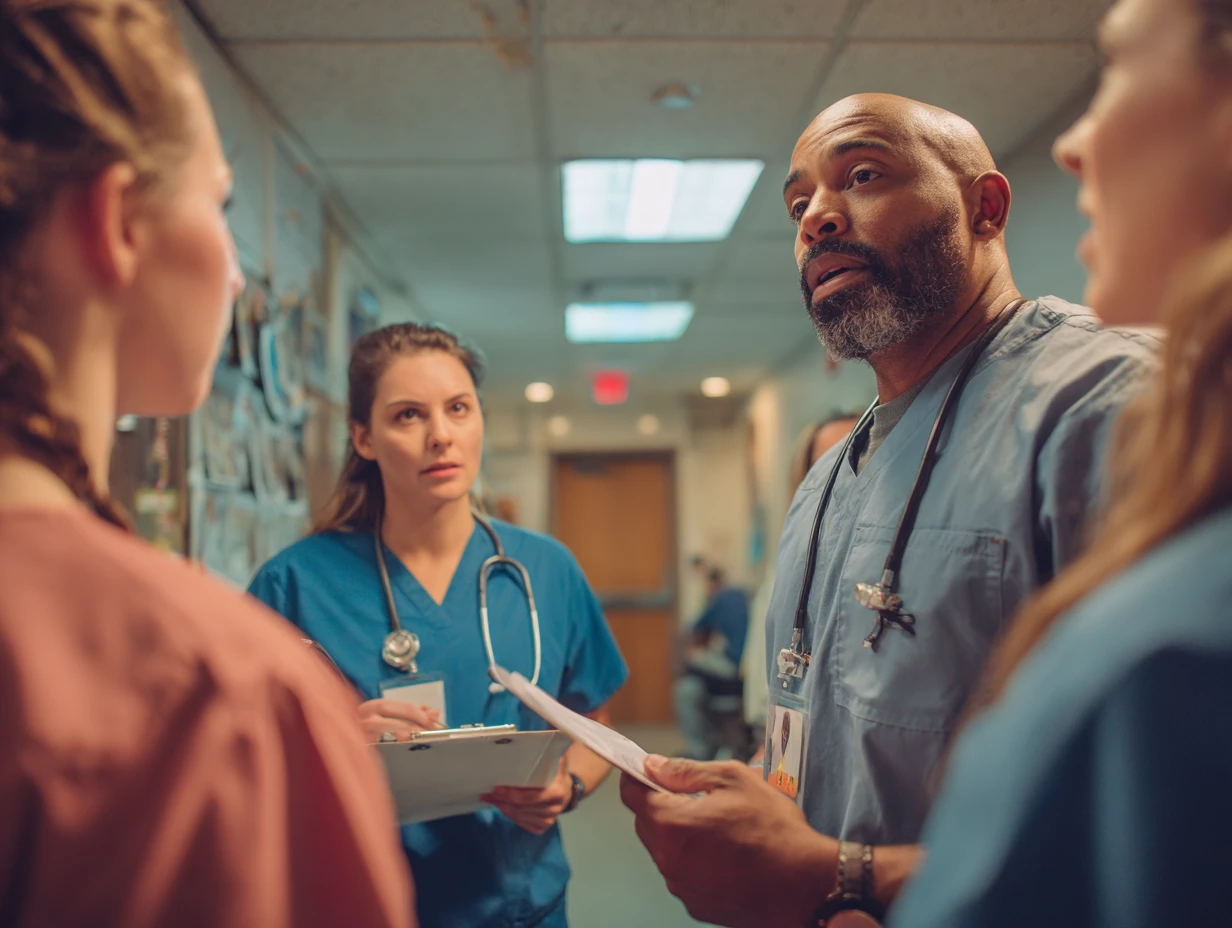
If you have lived through a vet software outage, you know the most expensive part is rarely the outage itself. It is the scramble that follows, the moment when three different “temporary systems” get invented in five different corners of the building. Someone starts scribbling names on sticky notes. Someone else starts writing weights on scrap paper. A doctor says, with the best intentions, “I’ll remember the details and type it in later,” while a technician starts building a parallel universe of treatments and charges that will eventually need to be reconciled.
The damage is subtle at first, because everyone is trying to help. Then it compounds. A patient gets logged in twice. A diagnostic result has no clear home. A payment gets taken, but the reason for the payment is now a story that lives in somebody’s memory. By the time the veterinary software comes back, the hospital is running, but the day is no longer coherent.
The practices that handle downtime well usually have one thing in common. Someone flips the hospital into a shared mode with a shared language, and the whole team feels the shift. It can be as simple as a phrase that is used consistently: “We’re in downtime mode.” Not dramatic, not panicked, just definitive. It tells everyone to stop inventing their own solution and start following the same playbook, even if that playbook is intentionally simple.
Downtime mode is not “paper everything,” it is “keep the day true”
A lot of downtime plans fail because they try to replicate the entire digital experience on paper, which is a recipe for burnout by lunchtime. The goal is not to recreate every field and every workflow your vet software normally handles. The goal is to keep the day true, meaning you preserve the minimum set of facts that allow you to deliver safe medicine and accurately finish the business of the visit later.
When you strip it down, most companion animal hospitals need to keep track of a few things to stay safe and functional: who the patient is, why they are here, what was done, what needs to happen next, and what is owed. If you can hold those truths in one shared system while your veterinary software is down, you can keep moving without turning recovery into a nightmare.
This mindset also changes how your staff feels. Instead of “we are broken until the system returns,” it becomes “we have a different way of operating for a few hours.” That framing matters, especially for practice owners and practice managers who are trying to keep the team steady.
The patient log becomes the temporary heartbeat of the hospital
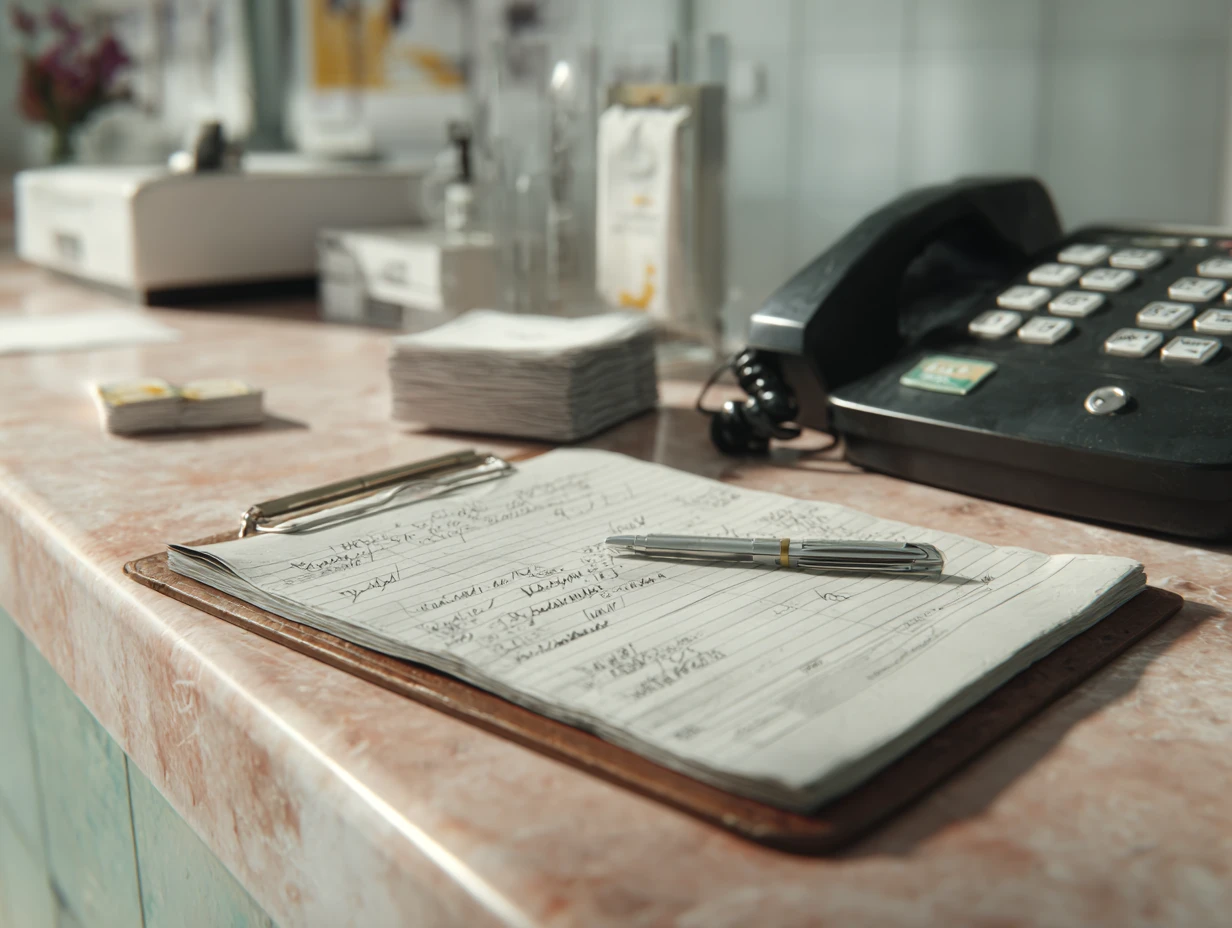
Every downtime story that ends well has a single source of truth, and it is rarely complicated. Usually it is a running patient log, a simple record of who is in the building and where they are in the flow of care. In normal times, your veterinary software is the heartbeat, everything points back to it. In downtime, the log takes that role, and the practice that succeeds is the one that treats the log as real, respected, and universal.
If you want to picture it, imagine a clipboard or a printed sheet that lives at the front desk, updated consistently as patients arrive and move. It sounds almost too basic to matter, until you are in the middle of an outage and you realize that clarity is the most valuable thing you can buy with paper and a pen. Once the log exists, decisions stop being isolated. The front desk knows what treatment is doing. Treatment knows what the doctors have completed. The manager can look at one place and understand the day.
You can call it whatever you want, downtime tracker, patient flow board, visit log, but the function is the same. It becomes the anchor that your vet software usually provides.
Check-in is where panic spreads, or where calm is built
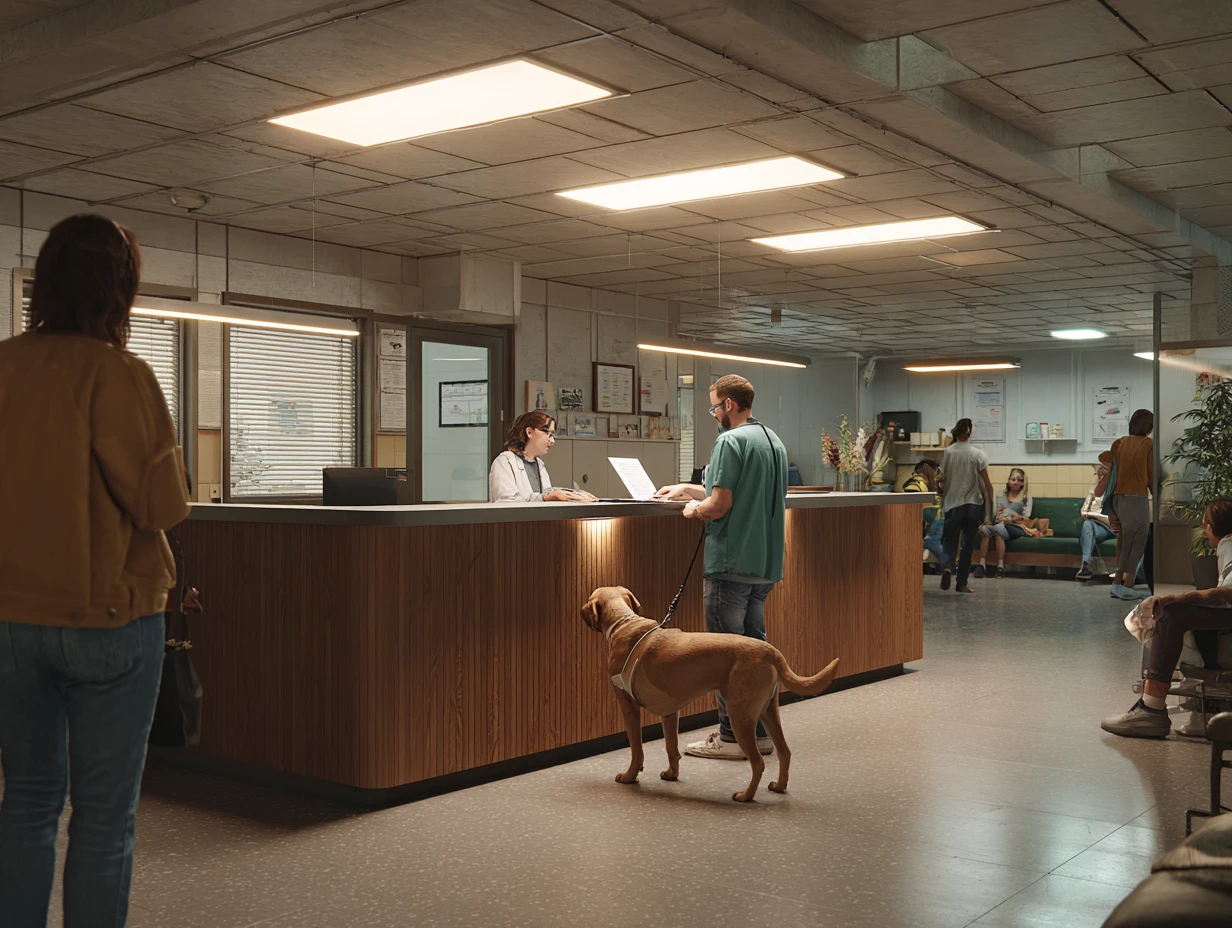
The front desk is the emotional thermostat of the hospital during an outage. When the team at reception looks unsure, clients feel it immediately, and the entire lobby becomes tense in a way that makes everything harder. When the front desk has a calm script and a simple process, clients take their cues from that.
Downtime check-in does not need to be perfect, it needs to be efficient and consistent. You confirm identity, you confirm the reason for visit, you capture a phone number, and you tie that visit to the patient log so the rest of the building can follow the same story. If you have printed schedules or a daily roster, you use it, if not, you create the visit line by line as people arrive. The point is not to replicate your digital workflow, the point is to keep people moving and keep the experience from feeling like a collapse.
Practice managers sometimes hesitate to acknowledge that veterinary software is down, because it feels like admitting failure. In reality, a brief, confident explanation often increases trust. Clients can tolerate inconvenience if they feel cared for, and they are surprisingly forgiving if the hospital appears organized. They become frustrated when the hospital appears confused.
Clinical notes become about preserving thinking, not producing perfection
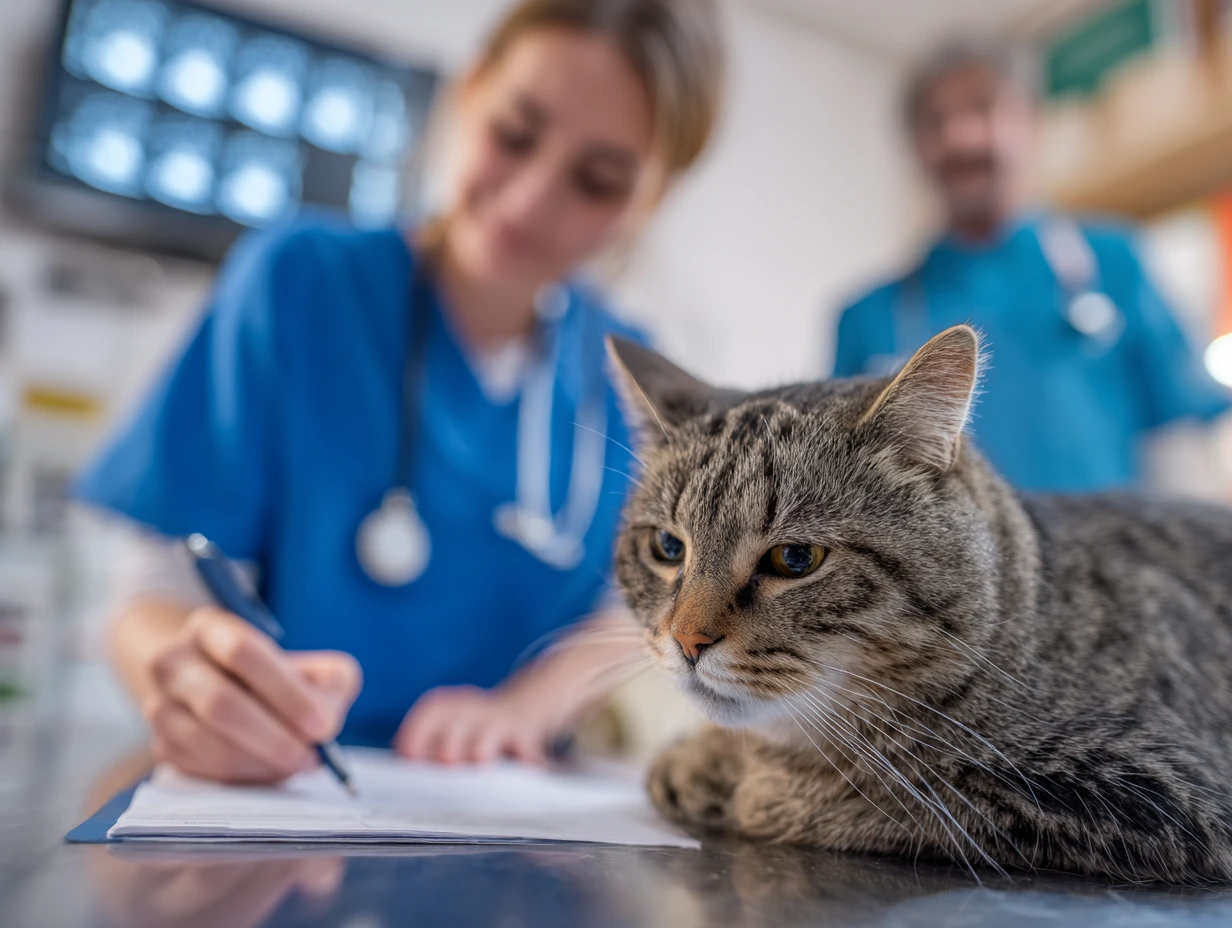
If you ask doctors what they fear most during a vet software outage, it is not the inconvenience. It is the risk of forgetting something important, especially after multiple cases, interruptions, and the natural cognitive load of a busy day.
Downtime documentation works best when you treat it like a capture of clinical thinking. Not a beautiful narrative, not a perfect template, but a clear record of decisions that can be translated back into your veterinary software once the system returns. What was the complaint, what was found, what was assessed, what was done, what was prescribed, what follow-up is needed. If your practice uses SOAP in your vet software, you can preserve the same mental structure in quick notes, even if the formatting is simpler.
The key is to avoid the trap of “I’ll remember later.” Nobody remembers later, not with the level of detail you will want when you are trying to rebuild the record while the lobby is closing and the team is ready to go home. A short, legible note that protects the medical decisions is the difference between an outage that is inconvenient and an outage that becomes risky.
Diagnostics and labeling are where downtime quietly becomes dangerous
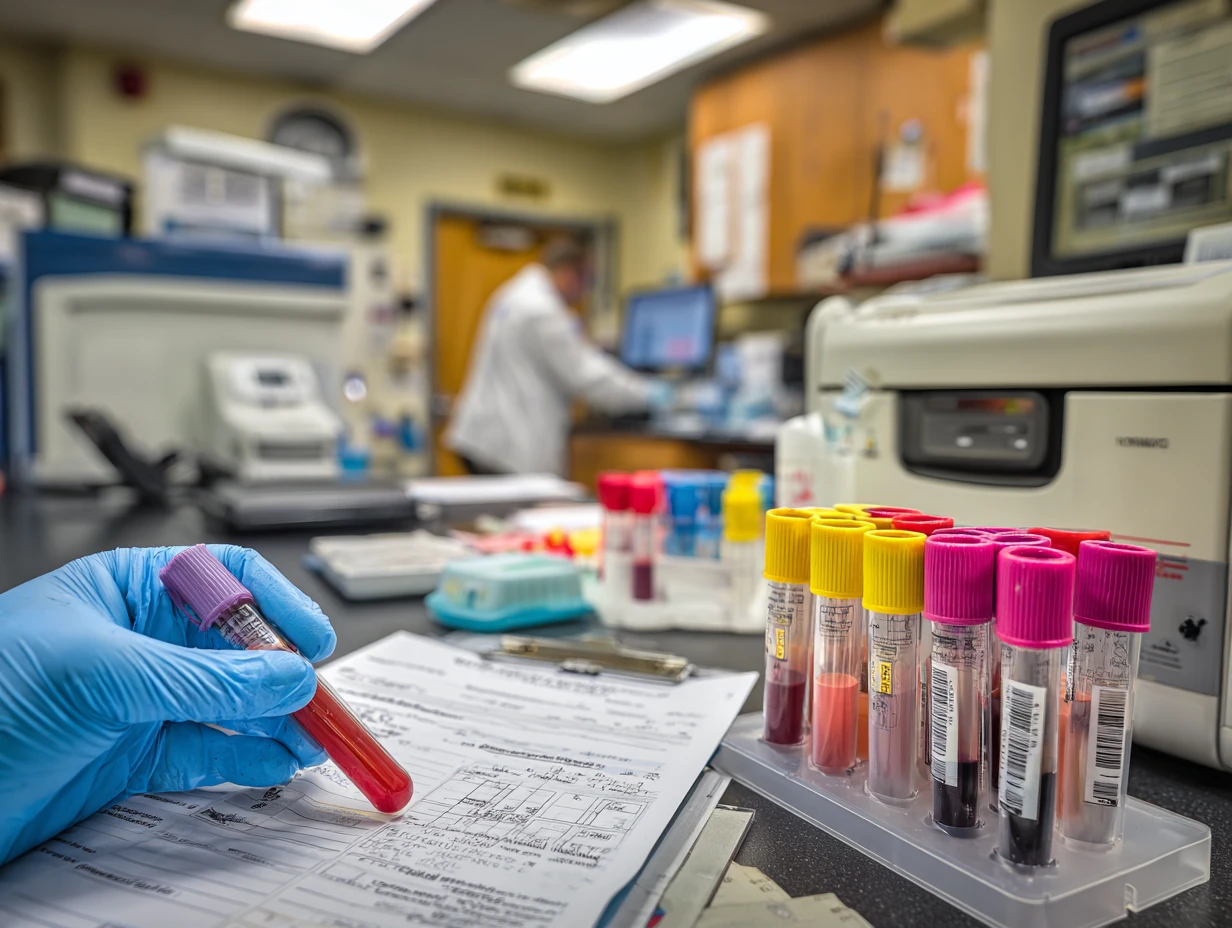
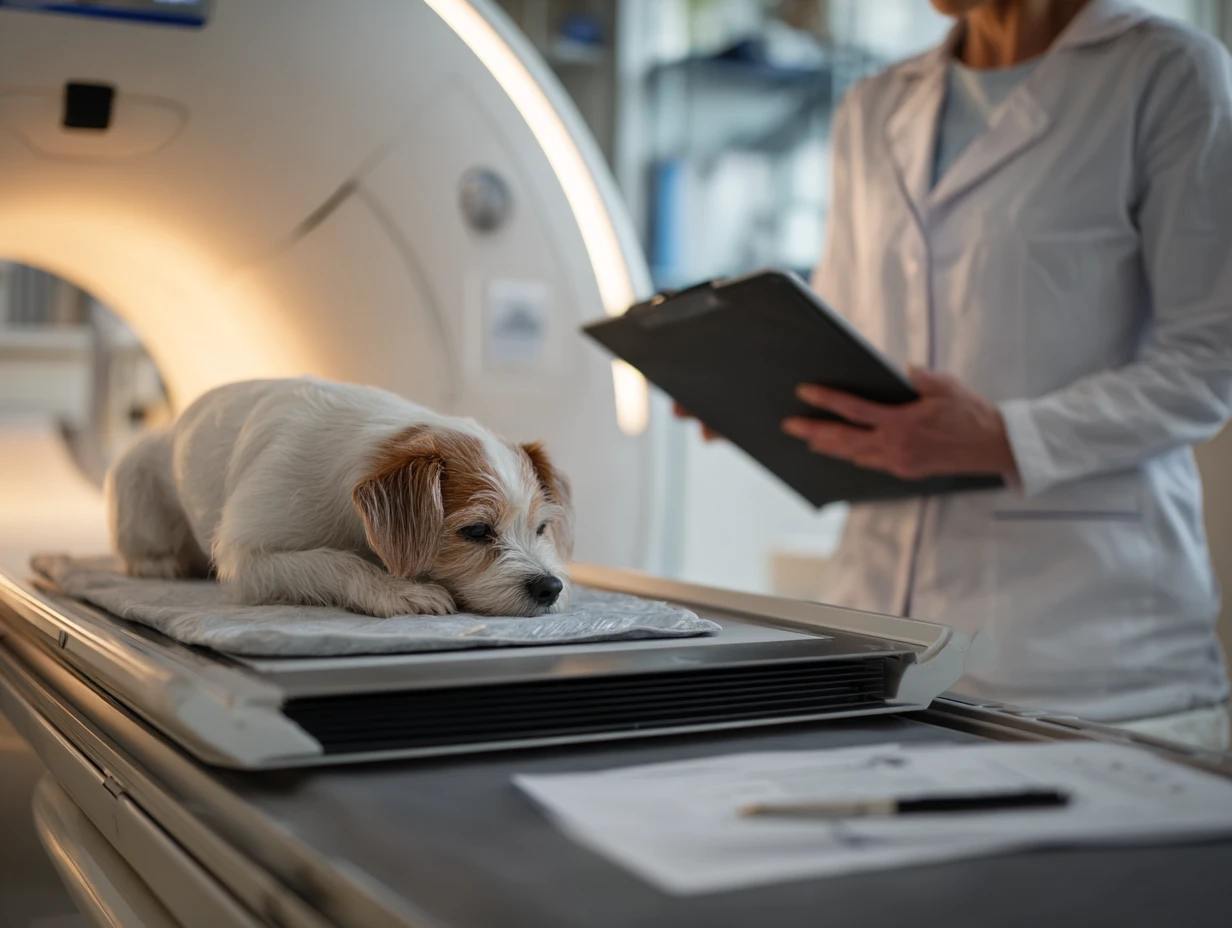
Modern veterinary software rarely stands alone. Even if only the PIMS is down, your lab integration might be affected, your imaging workflow might be disrupted, your pharmacy interface might be partially unavailable, and your normal “everything automatically attaches to the patient record” safety net is suddenly gone.
This is where practices get blindsided. The tests still run, but the provenance of the result becomes unclear. A sample goes to the lab, but how will the result be matched correctly when the system returns. An X-ray is taken, but what ensures the image gets labeled to the right patient when the usual workflow is missing. A send-out is ordered, but who owns the task of reconciling the incoming result.
In downtime, labeling is not busywork, it is safety. The patient log becomes the anchor again, because it gives you a stable identifier to attach to each sample, each image, each treatment. When you are back online, the practice that did this well can rebuild the record confidently, because the chain of custody was never lost.
Payments are the moment where revenue and trust collide
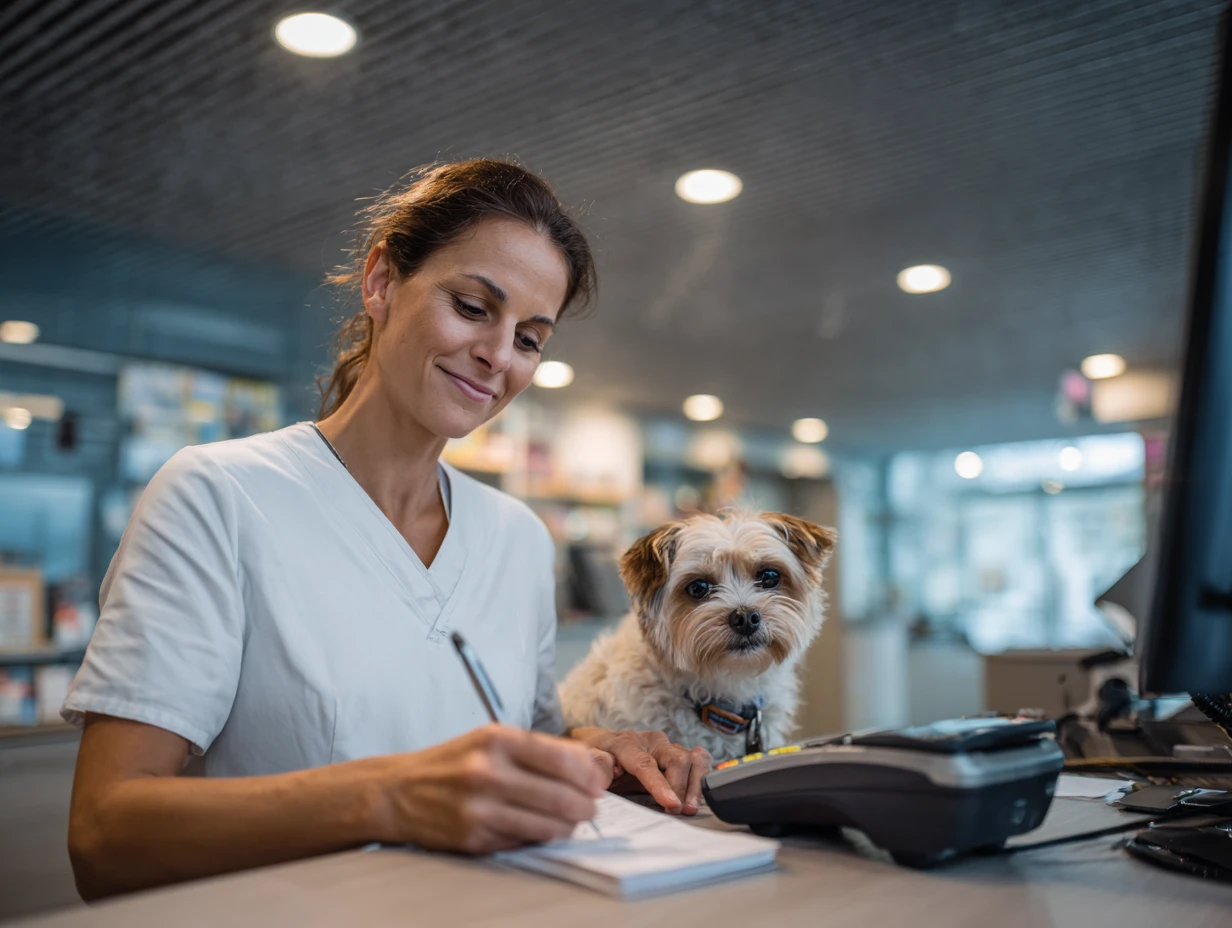
This is the part that makes owners and managers uneasy, and for good reason. Payment workflows are often deeply tied to veterinary software, and when vet software is down, it becomes tempting to “just get through the line” and sort out the details later.
The problem is that “later” is where money goes missing, refunds happen, chargebacks become messy, and staff trust starts to erode. Not because anyone is dishonest, but because ambiguity is expensive.
The practices that handle downtime well treat payments like they treat medicine in downtime. They prioritize clarity over convenience. If a payment terminal runs independently, great, but the bigger requirement is that every payment is tied to a patient and a visit, clearly, consistently, and in a way that can be reconciled once your veterinary software is back. That might be a paper receipt stapled to a visit sheet, or a simple payment record tied to the patient log. The mechanism matters less than the discipline.
A good downtime day ends with the feeling, “We kept moving and we know what happened.” A bad downtime day ends with the feeling, “We kept moving and now we have to guess.”
Recovery is where the best downtime plans pay you back
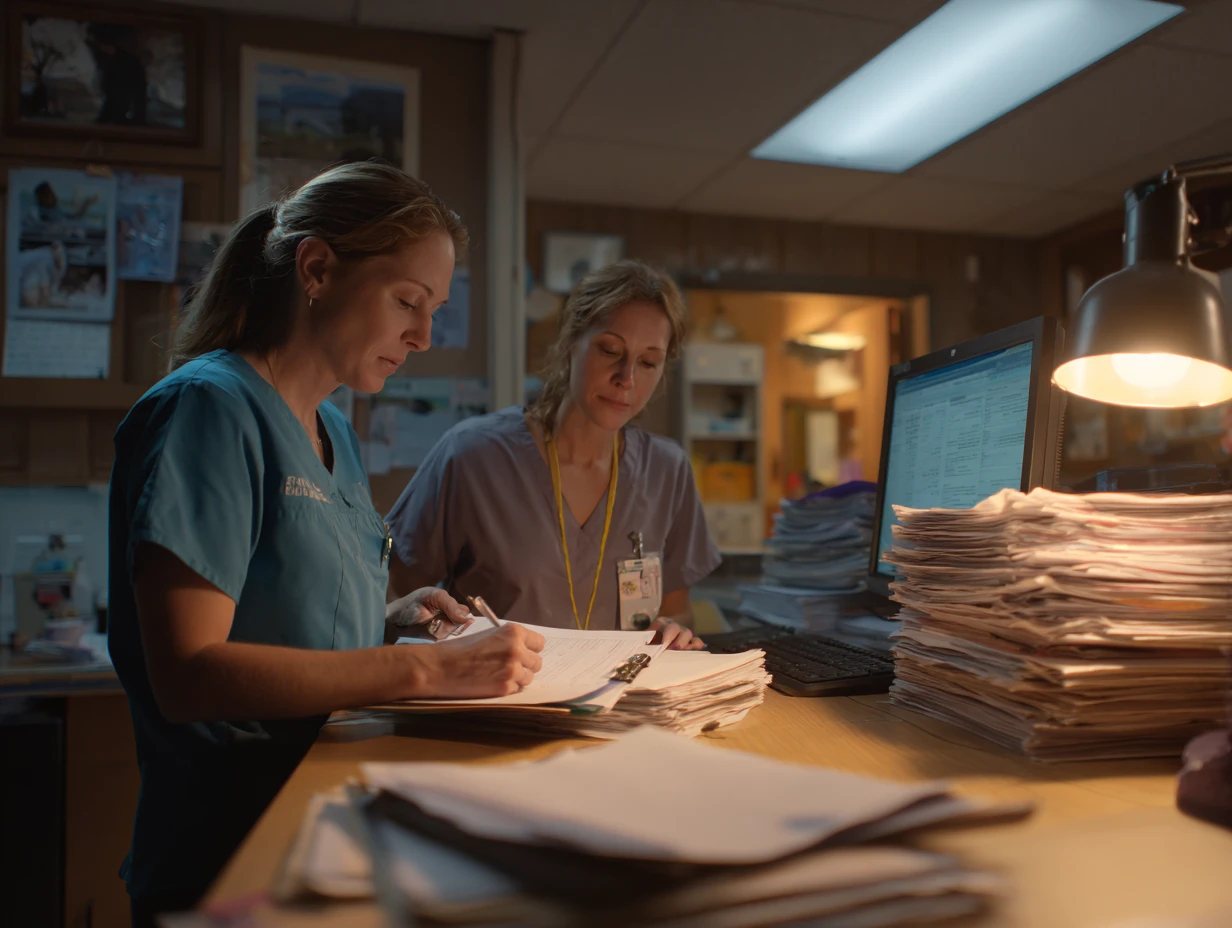
When the system returns, everyone breathes again, and then reality sets in. Your veterinary software is back, but the hospital is carrying a day’s worth of care that needs to be rebuilt inside it. This is where chaos either resolves quickly or lingers for days.
If downtime was fragmented, recovery becomes a forensic exercise. People reconstruct memory. Charges get missed. Notes are incomplete. Follow-ups fall through the cracks because they were never captured consistently. Inventory is off because treatments were not tracked in a way that maps cleanly back into the system.
If downtime was disciplined, recovery is almost boring, and boring is exactly what you want. The front desk reconciles the visits and invoices first, because it stabilizes the business side and gives clarity on who was seen. The clinical team enters the key notes and attaches diagnostics based on the patient log. The manager does a quick integrity pass, making sure every patient who walked in is accounted for, every payment is accounted for, and every follow-up has an owner.
Recovery does not need to be heroic. It needs to be orderly.
The reason teams ignore downtime plans is that they never practice them
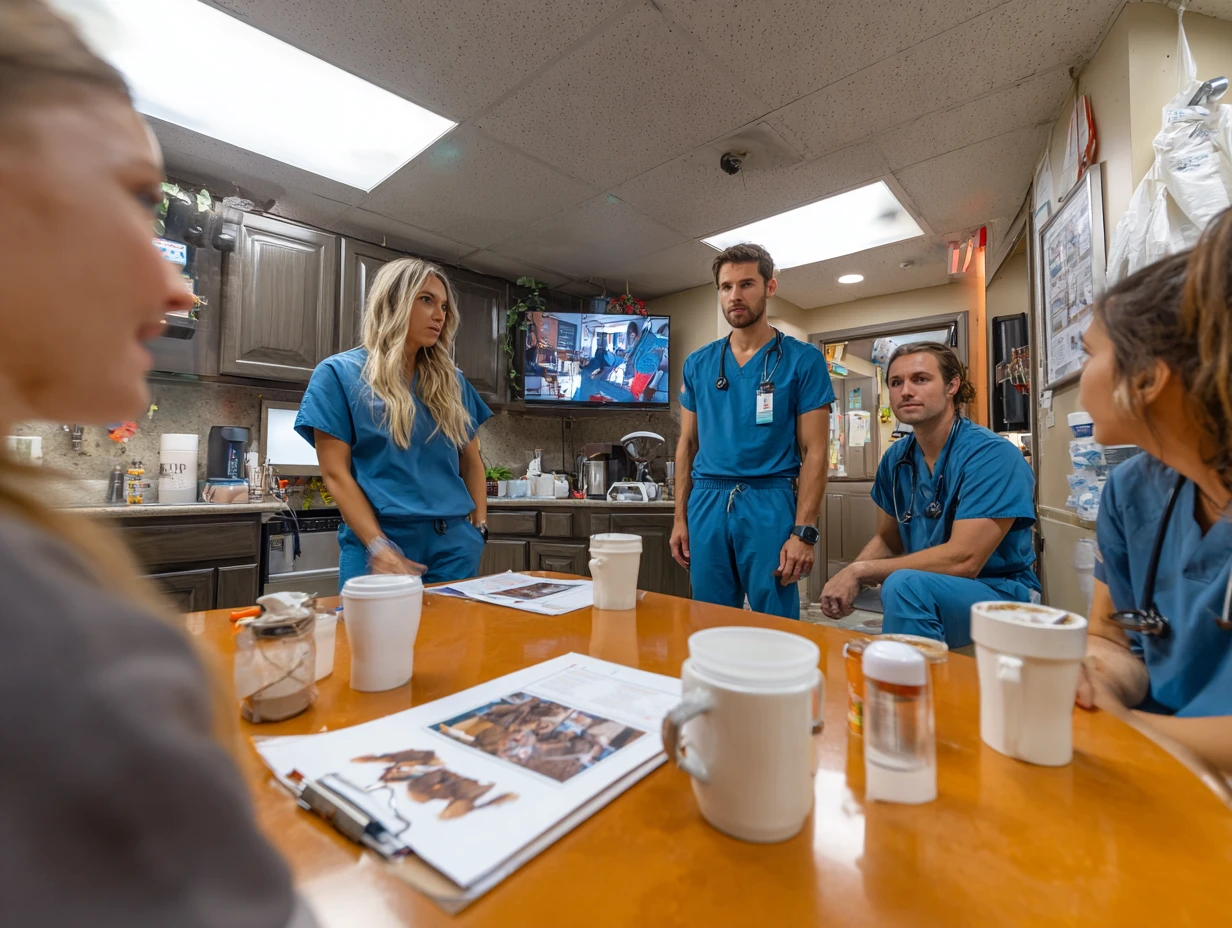
Most practices have some form of downtime plan, even if it is informal, but many are not usable under pressure because nobody has touched them in a year. In the moment, people revert to what they have done before, which is improvisation, and improvisation becomes a lot louder when veterinary software is unavailable.
The fix is not to create a longer document. The fix is to make downtime normal enough that it is not scary. A short drill once a quarter changes everything. Not a big production, just ten minutes where you pretend the vet software is down and run one appointment through downtime mode. The goal is not perfection, it is familiarity. When your team has rehearsed the idea, “we switch modes,” the real outage feels smaller.
And when the outage feels smaller, the day stays kinder.
Downtime is a leadership event, not a technology event
The way downtime feels in a hospital is shaped by leadership, whether that leadership is the practice owner, the manager, or the team member who takes charge when things wobble. If leadership panics, the building panics. If leadership blames, the team gets defensive. If leadership stays calm and says, “We know what to do,” the team follows.
This is not just about productivity. It is about culture. Companion animal hospitals already carry a lot, emotionally and operationally, and a single chaotic outage can become a story staff retell for months. A calm outage becomes a story too, but it is a different kind of story, one where the team proved they could handle disruption without losing their center.
That kind of confidence is rare, and it is worth building, even if you never switch veterinary software.
Closing thought
Downtime does not mean your vet software is bad. It means you operate in the real world, where networks fail, updates misbehave, integrations hiccup, and even the best veterinary software providers have off days. The question is not whether an outage will happen. The question is whether your hospital has a shared way to keep patients moving, keep staff aligned, and keep the day coherent when the screens stop cooperating.

Adam Wysocki
Contributor
Adam Wysocki, founder of VetSoftwareHub, has over 35 years in software and almost 10 years focused on veterinary SaaS. He creates practical frameworks that help practices evaluate vendors and avoid costly mistakes.
Connect with Adam on LinkedIn


